Volunteering and donating in Bali
Yes, you can help — but not on a tourist visa, and not at an orphanage. Here's what's legally permitted, which causes are genuinely established, and the giving scams that catch visitors every season.
Are you allowed to volunteer?
Short answer: only with the right visa. Unpaid does not mean unregulated.
Not on a visa on arrival
The common mistakeThe VOA and e-VOA are tourist visas. They permit sightseeing, family visits and business meetings — not volunteering, even unpaid. Immigration treats unpaid work as work: what matters is the activity, not whether money changed hands.
The social-cultural route
C6B / ex-211The socio-cultural visit visa is the usual legitimate path for volunteers. It needs an Indonesian sponsor — normally the foundation (yayasan) you're helping — and is arranged before you fly or through an agent. Typically 60 days, extendable in 30-day steps up to about six months.
Long-term or paid roles
KITASIf you're staffing an NGO, running programmes or receiving any allowance, you need a work KITAS sponsored by the organisation, with RPTKA approval. Legitimate NGOs know this and will say so; one that tells you a tourist visa is fine is putting the risk entirely on you.
What enforcement looks like
Real consequencesWorking without a permit carries up to five years or deportation and a re-entry blacklist. Foreigners have been deported from Bali for unpaid teaching, yoga instruction and photography. Raids follow social-media posts more often than tip-offs.
Where the line actually falls
- One-off, incidental help is rarely pursued: joining a beach clean-up, handing out supplies after a flood, donating blood, or a single afternoon at an animal shelter as a visitor.
- It becomes 'work' when it is scheduled, ongoing, fills a role a local could be paid for, or is publicly promoted — a rostered teaching slot, a construction crew, running a clinic.
- Skilled work is the highest risk. Medical, dental, veterinary and construction volunteering also needs professional recognition, not just a visa.
- Anything involving direct, unsupervised contact with children should require a police check from your home country. If nobody asks for one, that tells you what kind of organisation it is.
- Never post 'volunteering in Bali' content while on a tourist visa. It has been used as evidence.
- Ask the organisation, in writing, which visa they sponsor you on. A real yayasan answers in one line; a placement broker changes the subject.
Orphanage volunteering — don't
The single most important thing on this page.
- Roughly 80–90% of children in Indonesian 'orphanages' have at least one living parent. Families are recruited with promises of schooling, and the children become the fundraising asset.
- Orphanage tourism is a recognised form of child exploitation. Australia has legislated against it and major operators including many volunteer platforms have withdrawn from it entirely.
- Red flags: children performing dances for visitors, walk-in tours, donation boxes at the gate, kids sent out to sell postcards or collect money at traffic lights, and any place that lets a stranger hold or photograph a child with no checks.
- Rotating volunteers cause measurable attachment harm — children repeatedly bond with adults who leave in two weeks.
- If you want to help children, fund family-strengthening, school fees, scholarships or feeding programmes through an established foundation. Do not visit a residential facility as a tourist.
How to check a charity before you give
Five minutes of vetting filters out almost everything dubious.
- Check for a yayasan (Indonesian foundation) registration number or a foreign charity registration — legitimate organisations publish it on their site and in their annual report.
- Look for published accounts or an impact report with numbers, not just galleries of smiling volunteers.
- Established organisations have a long online history: years of posts, named staff, press coverage, partnerships with vets, hospitals or schools you can independently verify.
- Pay by bank transfer to the organisation's account or through their own website. Avoid cash handed to an individual, and be very wary of a personal bank account, e-wallet or crypto address.
- Ask what a specific amount buys — a real charity will tell you 'IDR 500,000 sterilises two dogs'. A vague 'it all helps' is a warning.
- Volunteer fees are normal for structured programmes (they cover food, accommodation, coordination) but should be itemised. Fees over a few hundred dollars a week with no breakdown are a broker taking a margin.
- Prefer donating goods that are hard to fake demand for — vet supplies, school books, rice, building materials — and buy them locally so the money stays in the economy.
- Ask other residents. The Bali expat and Canggu community groups will tell you within an hour whether a 'charity' is known and trusted.
Established causes worth supporting
Long-running Bali organisations with public track records. Always check their current official website before transferring anything — fake lookalike pages exist.
BAWA (Bali Animal Welfare Association)
AnimalsThe best-known Bali animal charity: 24-hour rescue hotline, rabies vaccination and sterilisation programmes, education. Longstanding, transparent, and the number to call for an injured or aggressive animal — +62 811 389 004.
Bali Dog Refuge / Bali Dog Adoption & Rehab (BARC)
AnimalsSanctuaries in Sanur and Ubud caring for hundreds of street dogs. They take walk-in dog walkers, food and blanket donations, and international adoptions. Visiting to walk dogs is the classic low-risk way to help.
Villa Kitty
AnimalsUbud cat rescue and clinic, treating and rehoming street cats and kittens. Small, visible operation with clear published needs — food, litter, medical costs.
Bali Sea Turtle Society
ConservationKuta-based hatchery protecting nests and running free public hatchling releases. Donations fund nest relocation and patrols; never pay a beach tout for a 'private turtle release'.
Sungai Watch / Bye Bye Plastic Bags
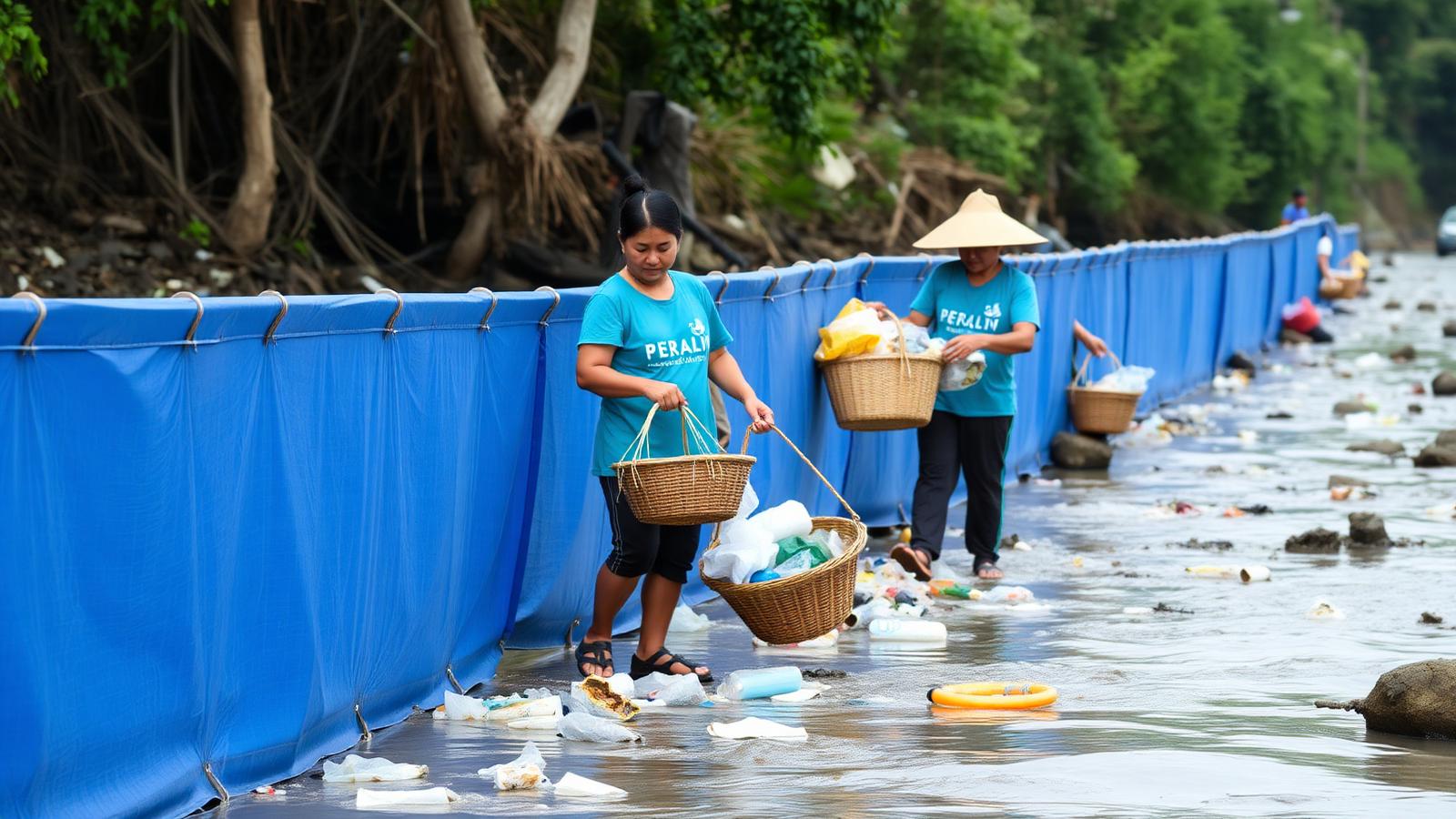
EnvironmentRiver barriers and waste-data work, plus the youth-led plastic campaign that started in Bali. Both run open, publicised clean-ups you can join for a day without any visa complication.
Bali Children's Project / YKPA and similar
EducationFamily-based education charities funding school fees, uniforms and scholarships for children living with their own families — the model that actually works. Support these rather than residential 'orphanages'.
Solemen Indonesia
Community & disabilitySupports people with disabilities, mental illness and severe poverty across Bali, including mobility aids and shelter cases. Well-documented case-by-case reporting.
Your own banjar
Hyper-localThe most direct giving of all: contribute to the local banjar's temple works, a neighbour's ceremony, or the community waste collection. Ask your villa staff or landlord how it's normally done and what amount is appropriate.
Giving scams to recognise
- Children begging or selling at traffic lights and temple gates are almost always working for an adult. Giving keeps them out of school — buy from the parent's stall instead if you want to help.
- 'Temple donation books' presented by someone at the entrance with large amounts already written in are a long-running hustle. Official temple entry fees are posted and issue a ticket.
- Fake sanctuary tours: pay-to-cuddle wildlife, 'rescue' centres with caged civets or slow lorises, and elephant rides marketed as conservation. Paying sustains the capture trade.
- Disaster and animal-rescue appeals that appear on social media within hours of an incident, with a personal account number and heavy emotional imagery, are frequently fraudulent.
- Volunteer placement brokers charging USD 1,500+ for two weeks, arranging no visa and offering no police check — the fee is the product.
- Anyone who asks for cash at your villa or hotel gate for a school, mosque or temple. Legitimate collections go through the banjar, not door to door to foreigners.
Low-risk ways to help on a tourist visa
- Donate money to a registered foundation — always allowed, no visa implication.
- Join a publicised one-off beach or river clean-up as a participant.
- Walk dogs or drop off supplies at a shelter as a visitor, not on a roster.
- Buy from social enterprises and disability-employing cafés and shops.
- Sponsor a specific cost — a sterilisation, a school year, a wheelchair — and ask for the receipt.
- Spend locally: family warungs, local guides, village-run tours. It reaches households faster than most charities do.
Bali Base is an information site and is not affiliated with any organisation listed here. Visa rules change — confirm your situation with a reputable visa agent or immigration before committing to a placement.