Animal encounters
Bali sells a lot of animal experiences and only some of them are decent. Here's where to go, what to bring, what to refuse to pay for, and what to do if something bites or scratches you.
Places worth your money
Rescues, conservation projects, and wild encounters where the animal isn't the exhibit.
Bali Wildlife Rescue Centre (FNPF), Nusa Penida & Besikalung
Rescue & releaseNusa Penida / Tabanan
A genuine rehabilitation and release programme for Bali starlings, mynas and rescued primates. Visits are by arrangement and low-key — no handling, no photo props. Volunteering and donations are the point.
Bali Bird Park
Family friendlyBatubulan, Gianyar
Large landscaped aviaries with Indonesian and international species, and one of the better captive-breeding records on the island. Two to three hours, shaded, easy with small children and strollers.
Bali Safari & Marine Park
Big dayGianyar coast
Drive-through-style safari enclosures, a good option in bad weather with kids. Skip the paid animal-riding and photo-with-a-cub add-ons; the enclosure viewing and keeper talks are the worthwhile part.
Turtle Conservation & Education Centre (TCEC)
Non-profitSerangan, near Sanur
A working hatchery that intercepts eggs from poachers. Small entry fee, honest explanation of the trade, and seasonal hatchling releases at dusk (roughly Apr–Oct) that you can join for a donation.
Menjangan Island & West Bali National Park
Wild, not captiveNorth-west Bali
The best snorkelling and wall diving in Bali, plus ranger-guided birding walks for the critically endangered Bali starling in the wild. Book a ranger at Labuan Lalang or Sumber Klampok.
Nusa Penida manta cleaning stations
Wild encounterManta Point / Manta Bay
Reef manta rays year-round at cleaning stations off Penida's south coast. Choose a small-boat operator that briefs you on distance rules; swell here can be serious, so it's not a beginner snorkel on rough days.
Amed, Tulamben & Padang Bai reefs
Shore snorkellingEast Bali
Coral gardens, the USAT Liberty wreck and Biorock restoration structures straight off the beach. Best 7–10am. Reef-safe sunscreen and no standing on coral.
Bali Dog rescues — BAWA, BARC, Mission Pawsible
VolunteerUbud, Canggu, Denpasar
Dog and cat rescues that welcome walkers, fosterers and short-term volunteers, and run the island's rabies vaccination drives. Adoption with international flight support is possible.
Sacred Monkey Forest Sanctuary
Go earlyUbud
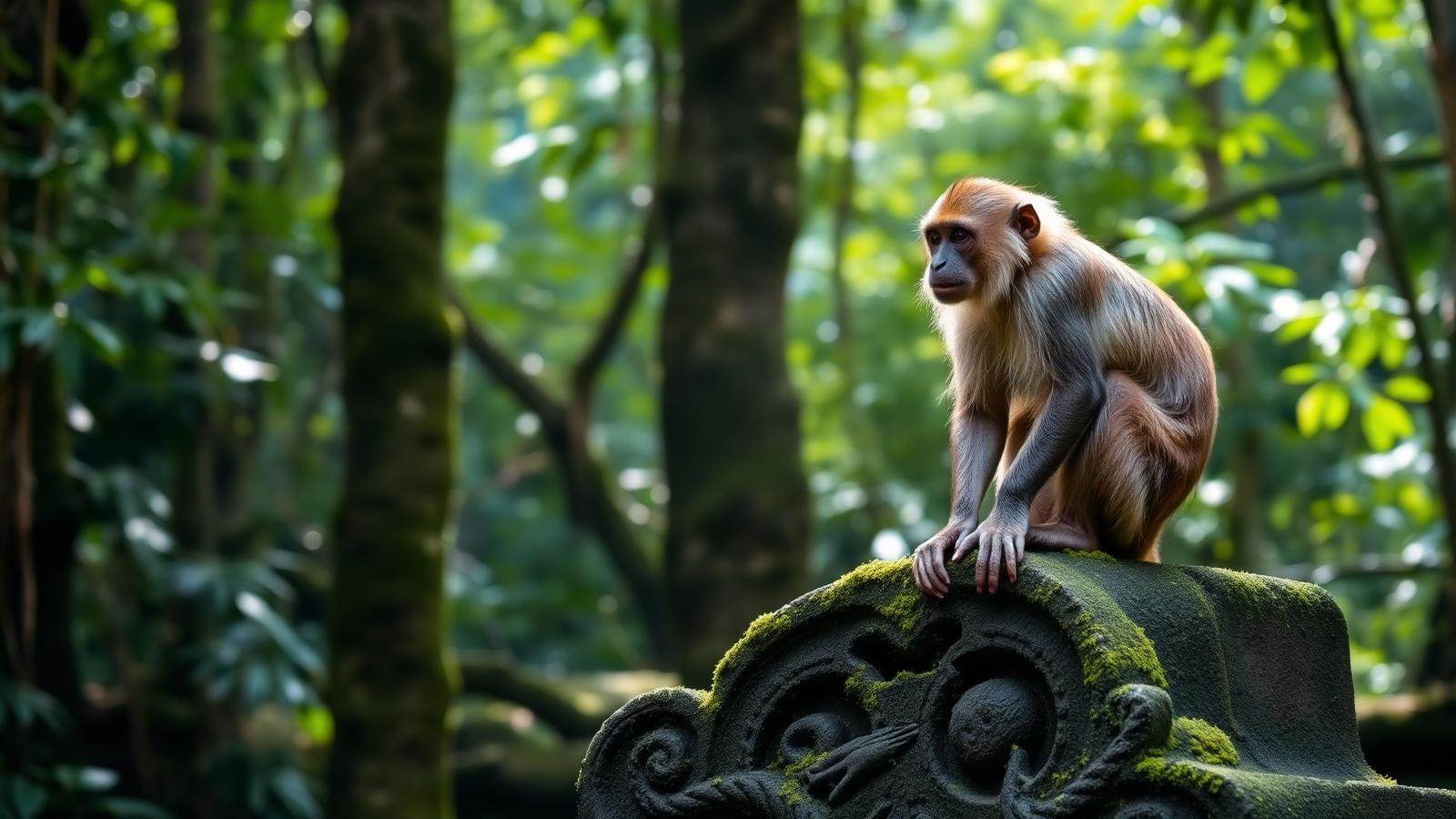
A real conservation area and temple complex rather than a zoo. Fascinating at 8.30am; a scrum by 11. Long-tailed macaques here are wild, bold and quick — treat the visit as observing, not interacting.
Dolphin watching — an honest note
Think twiceLovina
The classic Lovina sunrise trip regularly turns into a dozen boats chasing a pod. If you want to go, use an operator that commits to keeping distance and cutting engines, and accept you may see less.
What to take
On land
Day pack- Closed shoes for forest, rice-field and sanctuary paths
- Insect repellent with DEET or picaridin — dengue is the real mosquito risk here
- Water, hat, and a light long-sleeve layer for sun and bites
- Small notes for entry, parking and donations — most sites are cash only
- Antiseptic wipes and a couple of plasters for scratches
- A day bag that zips fully closed around macaques
In the water
Snorkel & dive- Reef-safe (oxybenzone-free) sunscreen, or better, a rash vest
- Your own mask if you have one — rental fit is hit and miss
- Booties or reef shoes for rocky entries at Amed and Tulamben
- Dry bag for phone, cash and passport copy on boat trips
- Motion-sickness tablets for the Penida and Menjangan crossings
- Dive insurance if you're diving — check it covers recreational depth
Leave behind
- Food, snacks and drink bottles in sight around monkeys
- Loose sunglasses, caps, jewellery and dangling straps
- Single-use plastic — many sites have no waste collection
- Drones, unless the site explicitly permits them
Dress sensibly
- Sanctuaries and national park walks: covered shoulders, long trousers, closed shoes
- Monkey Forest sits inside a temple complex — modest clothing, and a sarong if you enter the shrine areas
- Neutral colours and no strong perfume on birding walks
- Quick-dry clothing for boat days; the crossings soak everyone
What to avoid
If an experience is built on an animal being restrained, sedated or ridden, it isn't a sanctuary, whatever the sign says.
Elephant riding and elephant 'parks'
SkipThere are no wild elephants in Bali — every animal has been imported, usually from Sumatra, and trained to accept riders. Riding causes spinal damage and the training methods are harsh. A handful of venues have converted to observation-only sanctuaries; if a place still offers rides, bathing or chained photo lines, it hasn't.
Photos holding sedated or restrained animals
SkipCub cuddling, snake and iguana photo props on the beach, orangutan or loris selfies, civet-in-a-cage cafés. Animals used this way are typically drugged, declawed, taken from the wild, or all three. Paying for the photo funds the next capture.
Kopi luwak plantation cages
SkipWild-collected civet coffee exists but is rare and expensive. Almost every tourist plantation keeps civets in small cages and force-feeds cherries. Enjoy the free tasting flight of ordinary Balinese coffee and skip the luwak cup.
Feeding or touching monkeys
SkipBali's macaques are habituated but wild. Feeding creates aggression, and every bite or deep scratch is a rabies risk that means a hospital visit. Keep sunglasses, hats, phones, bottles and plastic bags out of sight and hands empty.
Turtle meat, shell products and turtle 'islands'
SkipSea turtles are protected in Indonesia. Avoid tortoiseshell jewellery and any Serangan operation offering turtles to hold. TCEC is the legitimate centre; several neighbours trade on its name.
Riding, chasing or touching marine life
SkipNo holding turtles, riding mantas, chasing dolphins or standing on coral. Reef-safe sunscreen or a rash vest, fins under control, and stay horizontal over shallow reef.
How to judge a place in 30 seconds
- Can the animals get away from visitors, into shade and out of sight? Good sign.
- Is there any riding, holding, cuddling or performing? Walk out.
- Are the enclosures set up for the animal's behaviour or for your photo angle?
- Do staff talk about release, breeding programmes and vet care, or about show times?
- Are there breeding cubs and babies every season? That's a supply chain, not conservation.
- Search the name plus 'rescue' or 'complaint' before you book — Bali venues change hands and standards fast.
If you get bitten or scratched
Rabies is present in Bali
Act same dayAny bite or deep scratch from a monkey, dog, cat or bat is treated as a rabies exposure. Wash the wound with soap under running water for a full 15 minutes, apply antiseptic, and go straight to a clinic for post-exposure vaccination. Do not wait to see how it looks tomorrow.
Where to go
BIMC, Siloam and Kasih Ibu carry rabies immunoglobulin and vaccine. Full details, addresses and one-tap calling are on the Medical page, and snakes, stray dogs and insects are covered on Safety & Wildlife.